Five minutes of your time could help change their future.
Every voice matters.
Here’s how you can help:

STEP 1: Use our template
Click the button below to open a pre-written email template asking your local MP to support a managed phase-out of greyhound racing in South Australia. The Racing Minister and Premier will already be copied into the email.

Button not working? Some devices won't automatically open email links. You can copy and paste the email template from this page instead.
STEP 2: Find your local MP’s email
Your local MP represents your community in State Parliament. Sending your email directly to them can help make sure your concerns are heard.
Use the link below to find your local MP and copy their email address.
STEP 3: Make it personal
Before you hit send, take a minute to personalise your message. Make sure you:
add your local MP's email address in the To field
add your MP's name at the beginning
add your suburb or electorate
add your name at the end
You can also change the wording or add why this issue matters to you. A personal message can help demonstrate that you're a real constituent who cares about this issue.

STEP 4: Follow up & share
Haven't heard back after two weeks? Reply to your original email and politely ask your MP for a response.
Following up can reinforce that this is an issue their constituents want addressed.
You can also help by sharing this page with friends, family and other South Australians who care about greyhound welfare.
More people contacting their representatives means more community voices are part of the conversation.
There’s another way to make your voice heard
The Parliamentary Inquiry into greyhound racing is accepting public submissions until Friday, 9 October.
If you care about the future of greyhound welfare in South Australia, you can share your views directly with the inquiry.
2026 Deaths & Injuries
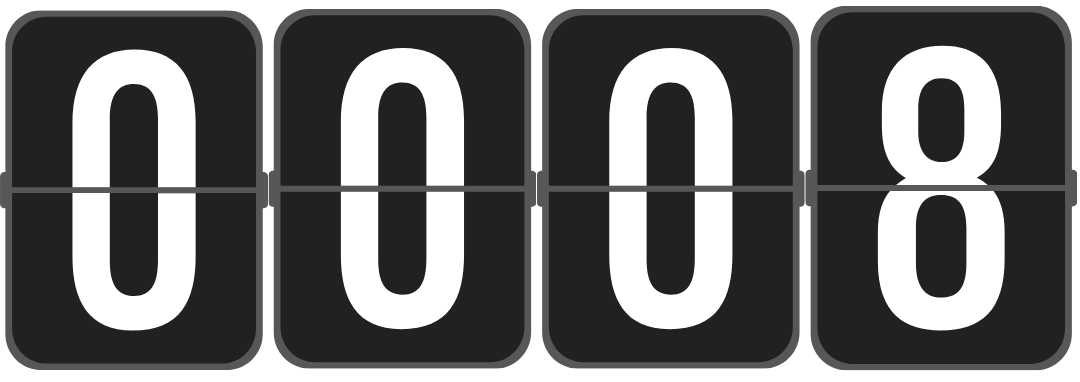
Greyhound deaths
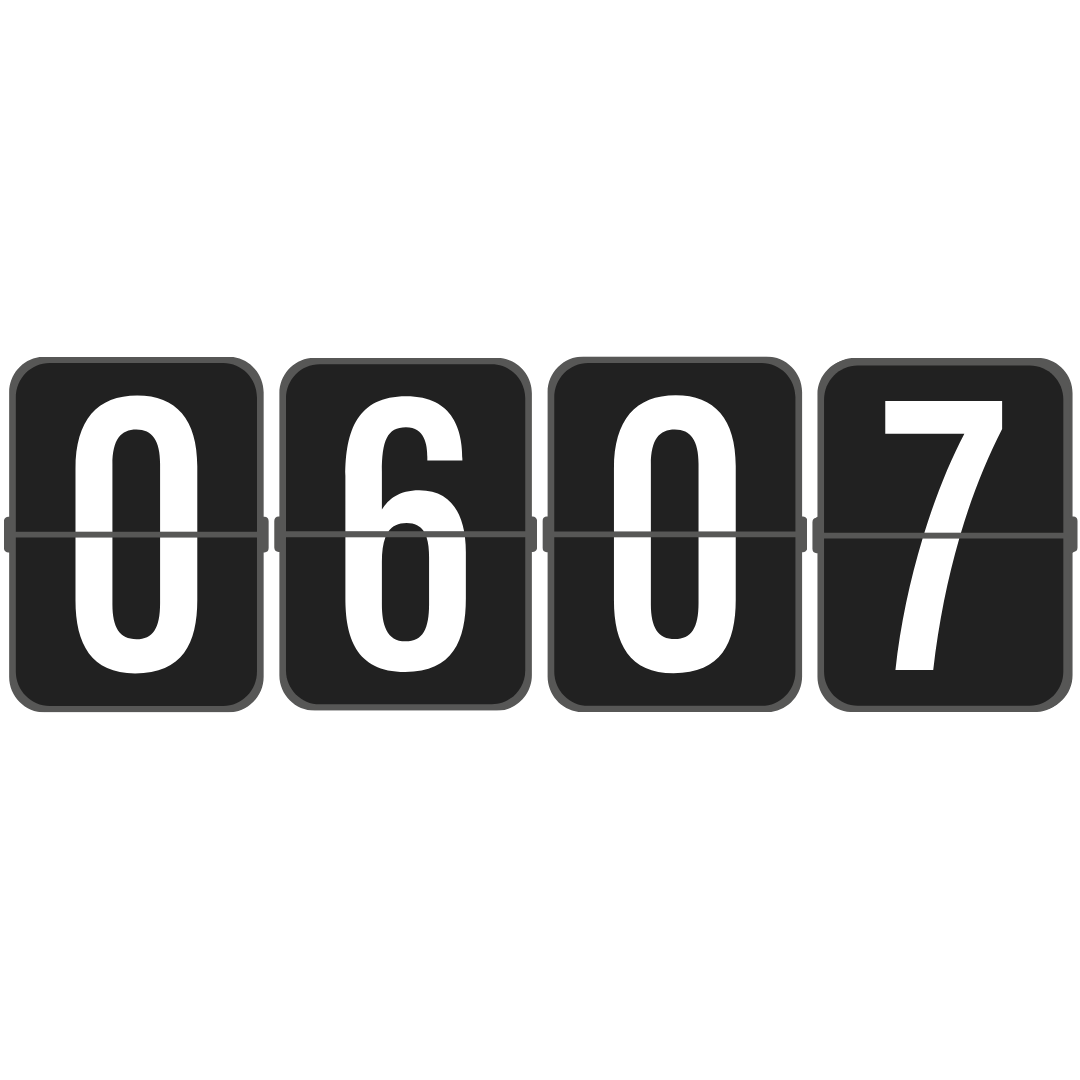
Greyhound injuries
Updated August 2026 from Industry Reports.2 years of reform is up. So are the injuries.
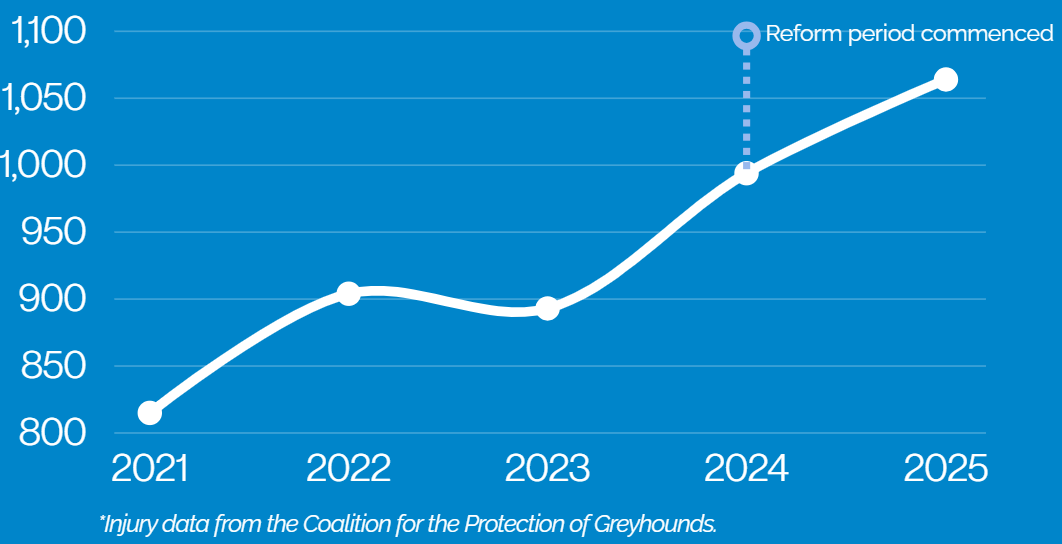
The evidence is clear: reform isn’t going to fix greyhound racing.
Even during the reform period, hundreds of greyhounds were injured or killed on South Australian tracks.
The industry may change how it is governed and operates, but the risks remain the same.
That’s why we’re calling on the South Australian community to demand a managed phase-out.
Greyhounds don’t get a say in what happens to them.
But you do.