Their lives are not a game
We’re calling for the South Australian Government to prioritise the phasing out of greyhound racing.
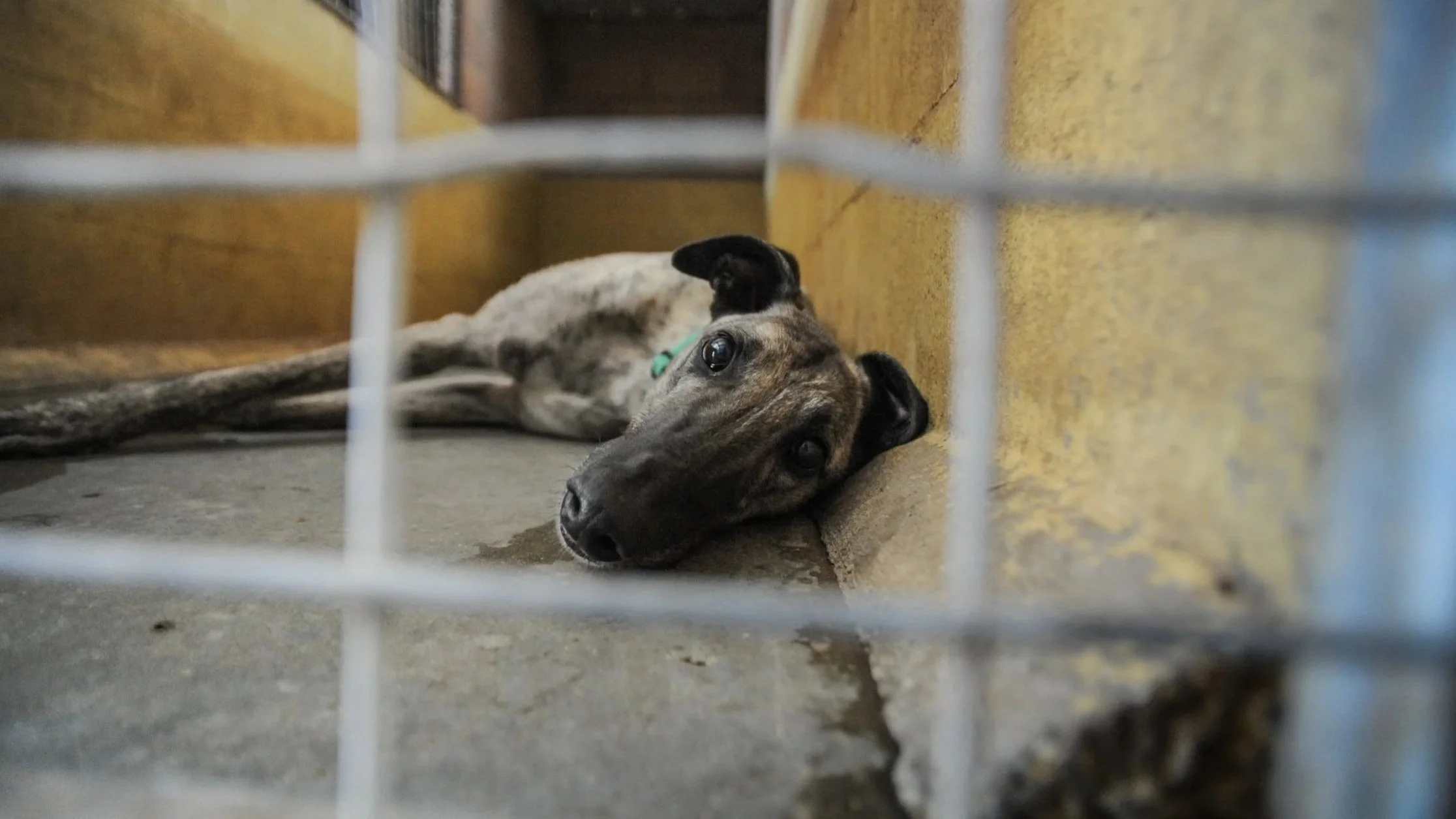
Photo Credit: Jo-Anne McArthur / We Animals In South Australia’s 2025 racing season we saw…
-
5 deaths on track
“On-track deaths” were only publicly reported if they happen on race day, on the track, in front of the on‑course vet.
What this number didn’t include is all the greyhounds who died or were euthanised off-track due to race injuries.
It also left out all the greyhounds who were injured during trials or training, where the same risks apply but the outcomes are less visible.
Behind this number were dogs whose injuries prove fatal after they left the track - out of sight, and largely unaccounted for.
This meant the true toll of greyhound racing related deaths was likely much higher than what was publicly reported, with many deaths never formally recognised in official figures. -
316 major injuries
Many “major injuries” were never publicly reported, sometimes because the dog died or was euthanised shortly after leaving the track.
This meant the true death toll from racing remained unknown.
Major injuries were often life-threatening or career-ending. They could require long recovery periods (28–90 days) and commonly included injuries such as:
- Fractures and broken bones
- Paralysis
- Severe muscle or tendon damage
- Spinal, pelvic, or skull injuries
- Dislocations.
-
1,064 total track injuries
These injuries made up the majority of harm in greyhound racing, yet they were often minimised because they’re weren’t classified as “major.”
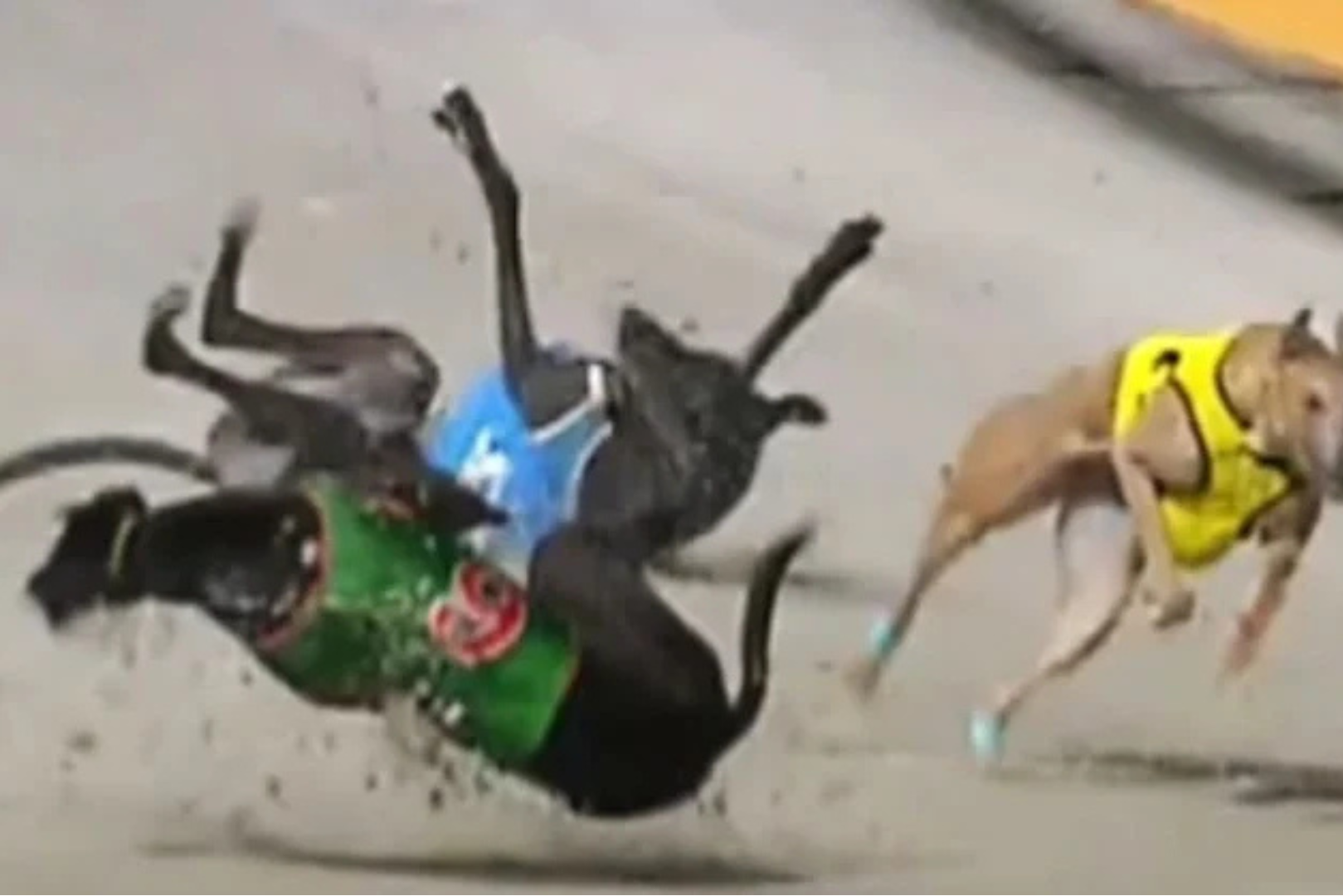
They included cuts, bruising, muscle strains, minor fractures, and injuries caused by collisions or falls.
But there was nothing minor about the impact. These injuries still caused pain, required time to heal, and could accumulate over a dog’s racing career, wearing down their bodies race after race.
More importantly, they revealed a deeper truth: the risk is built in.
Injury isn’t rare, it’s part of the system.
Even with regulation, these risks can’t be eliminated, only managed.
As long as greyhound racing exists, injuries and deaths will continue
It’s an unavoidable part of the industry.
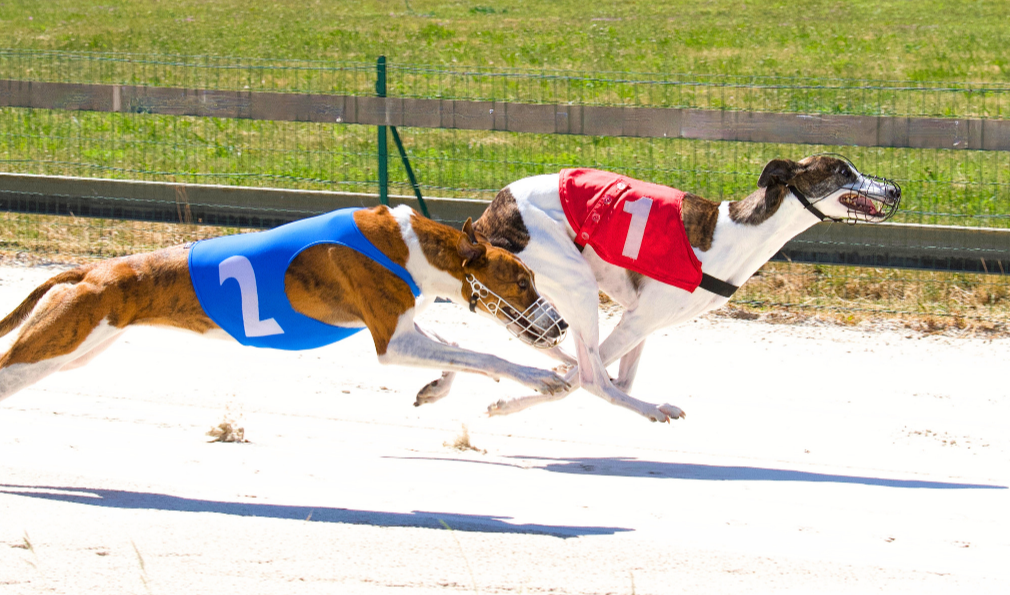
Greyhounds are pushed to race at extremely high speeds around tight tracks, risking collision, placing enormous strain on their bodies and creating an inherent risk of serious injury.
Even with reform and welfare measures in place, the fundamental nature of racing means these risks can never be completely eliminated.
Major injuries continue to be a concern
During South Australia’s 2025 greyhound racing season, 1,064 injuries were reported. Of these, 316 were classified as “major injuries”… but what does that actually mean for the dogs involved?
Major injuries are serious, painful, and often catastrophic. They can include broken legs, spinal injuries, severe muscle tears, head trauma, and other conditions that may require extensive veterinary treatment and recovery periods of up to 90 days or more.
For many greyhounds, these injuries can be life-ending, with euthanasia often considered due to the severity of the damage sustained.
One of the most concerning issues is the lack of transparency surrounding the outcomes of these injuries. While injuries may be officially recorded, the long-term fate of the greyhound is not always publicly reported. Dogs who are euthanised days or weeks later due to complications from racing injuries may not be formally counted within racing death statistics.
This creates a significant gap in accountability and means the true number of greyhounds who lose their lives as a result of racing may be far higher than what is publicly reported.
Behind every statistic is a living animal who has suffered in an industry where serious injury is not an accident, it is an ongoing and unavoidable risk.
The jobs argument shouldn’t justify ongoing harm
We recognise that any transition away from greyhound racing would have an impact on those involved in the industry and the communities connected to it.
However, the available data in the Ashton Report shows that participation is not primarily driven by full-time reliance on the industry:
71% of trainers are hobby participants
22% are involved as part of a family activity
Only 6% rely on greyhound racing as their primary source of income
These figures indicate that for the vast majority, greyhound racing is not a sole livelihood, and a structured, well-planned transition is both realistic and achievable.
A managed phase-out plan would allow for appropriate support measures, including rehoming programs and industry transition assistance, while prioritising long-term animal welfare outcomes.
As the South Australian reform period ends – serious concerns about greyhound welfare and transparency remain:
No nationally consistent publication of lifecycle reporting for every greyhound from birth till rehoming.
Incomplete public reporting of track, trials and training related injuries and deaths.
No independent checks to ensure the dog’s welfare is prioritised in the decision about what happens to it after it finishes its racing life (at 2-5 y.o.).
No regular, independent audits of greyhound welfare in the industry.
No evidence in the Australian states with the most reform and oversight that this has fixed the systemic welfare problems. Greyhound suffering continues.
These are not minor administrative gaps, they are fundamental welfare and accountability measures that are still absent from the system. Without them, it is impossible to have full confidence that greyhounds are being properly protected at every stage of their lives.
If the current reforms are genuinely effective, the question remains: where is the evidence of improved welfare outcomes, reduced injuries, and greater transparency? Until these gaps are addressed, meaningful reform cannot be considered complete.
Stronger reform won’t fix the problems
Some argue that stronger reform can fix the greyhound racing industry.
However, evidence from other Australian states suggests that even with increased oversight and welfare measures, serious animal welfare concerns continue to persist.
In Queensland, despite the introduction of independent oversight and reform initiatives, major injury rates increased between 2020 and 2025. Concerns also remain around greyhounds being discarded, euthanised, and not experiencing acceptable welfare after racing.
In New South Wales, a 2025 parliamentary inquiry identified a range of ongoing systemic issues within the industry, including: overbreeding, lack of comprehensive lifecycle tracking, rehoming challenges and concerns around unwanted greyhounds being exported overseas.
These findings demonstrate that the issue is not simply a lack of regulation. Even in states with stronger oversight frameworks, greyhounds continue to suffer harm.
The reality is that the welfare risks are embedded within the structure of the industry itself. Greyhound racing relies on breeding dogs for speed and competition, placing them into inherently dangerous racing environments where injuries can’t be eliminated.
And in order to maximise race meetings and gambling revenue, it breeds more dogs than it can rehome. Animal welfare problems are part of the operating model of greyhound racing and cannot be eliminated through reform alone.