
GAP’s new adoption facility opens this weekend… but more kennels won’t fix the real problems with greyhound racing.
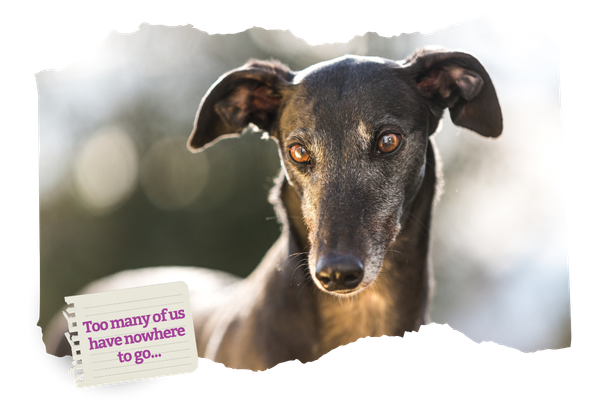
This Saturday, 22 August, Greyhounds As Pets (GAP) will open a new adoption facility at Angle Park, describing it as a place for “new beginnings”.
For the greyhounds who make it there, having somewhere safe to wait for a home matters. But a new adoption facility should not be mistaken for a solution to the bigger welfare problems with greyhound racing.
More kennels do not address why so many dogs need somewhere to go in the first place. They do not stop overbreeding. They do not prevent injuries or deaths on the track. And they cannot help the greyhounds who never make it as far as GAP.
3 in 10 greyhounds who left racing didn’t enter GAP. So where did they go?
In 2024–25, 686 greyhounds left racing in South Australia. Just under 70% were adopted out by GAP.
That means 3 in 10 did not.
Some may have been rehomed privately or kept as pets by racing participants. But once dogs leave through these pathways, there are significant gaps in what the public can see about their ongoing welfare.
Even for greyhounds who do enter GAP, important questions remain unanswered. There is no clear public information showing:
how many are waiting to enter GAP
how long they wait
how many find permanent homes
what happens to dogs who fail assessments or don’t progress through GAP
where the greyhounds who never enter GAP ultimately end up.
Until every greyhound leaving racing can be accounted for, we still don’t know the full rehoming story.
More breeding means more pressure on rehoming.
At the same time as more infrastructure is being built for dogs leaving racing, the industry’s breeding cap allows significantly more dogs to enter it.
In 2024–25, 322 greyhounds were bred in South Australia. The new cap allows up to 600 locally bred greyhounds. That’s almost double.
Every greyhound bred for racing will eventually need a life beyond it. Some will race. Some may never make it to the track. Others will retire after only a few years. But all of them will eventually need somewhere to go.
That is why breeding and rehoming cannot be separated. More dogs entering racing ultimately means more dogs leaving it, and more pressure on GAP, foster carers, adopters and the wider community to provide homes.
If rehoming capacity already needs to expand, breeding more greyhounds only adds to the problem.
Greyhound welfare should not begin when racing ends. It should begin at birth.
A genuine welfare approach must consider the whole life of every greyhound, from breeding and training, through racing, to retirement and rehoming. Instead, too much of the solution is focused on managing dogs once racing no longer needs them.
Every person who adopts or fosters a former racing greyhound helps give that dog a new life. But the goodwill of the community cannot be expected to absorb hundreds of dogs leaving racing year after year. There are only so many adopters, foster carers and homes available.
GAP’s new facility may provide a better place for some greyhounds to wait for their next chapter. But building more places for dogs to go after racing deals with the consequences. It does not stop the cycle creating them.
Greyhounds deserve more than somewhere to go when racing is over. They deserve not to be put at risk in the first place.
The long-term solution is a managed phase-out.
RSPCA South Australia is calling to phase out greyhound racing.
A managed phase-out would allow time to protect and rehome the greyhounds already within the system, while supporting the people and communities affected by the transition.
Instead of continually asking how we can create more room for greyhounds once racing ends, we should be asking: why do we keep breeding dogs into a system that leaves hundreds needing somewhere to go every year?
Learn how you can call for a managed phase-out at hwww.rspcasagreyhounds.org/faq.